



A routine trip to Target rarely starts with a fixed list. More often, it starts with a vague intention to pick up a few essentials, and unfolds as the store itself begins to guide the journey. The more I watched how people actually shop—across hauls, TikToks, and everyday purchases—the clearer a pattern became.
Endcaps, in-aisle placements, trending callouts, and merchandising logic subtly suggest what is needed, what is desirable, and what feels relevant in the moment. By the time a shopper reaches checkout, their cart reflects not just what they came for, but what the environment encouraged them to consider.
Consumers Don’t Shop Categories. They Shop Outcomes
For decades, these categories have been treated as distinct systems—skincare separate from supplements, cosmetics separate from hygiene, internal health separate from external appearance. Yet consumer behavior increasingly collapses these boundaries. Shoppers move fluidly between products that promise energy, calm, clarity, confidence, and repair, regardless of where those products sit in the store. We see similar insights across our research, I don’t want to shop for skincare, I want to shop for confidence without putting on a full face.
The Shift from Perfection to Control
Identity Is Built Through Combination
The It Girl
In one moment, a consumer may operate in “It Girl” mode—focused on aesthetic control. Her purchasing decisions are shaped by visibility, relevance, and cohesion. She moves between prestige and accessible products—Cremo alongside L’Oreal, OUAI next to TRESemmé, MaryRuth’s Multivitamin with Arrae or Lemme—prioritizing those that align with current cultural signals and contribute to a curated appearance.

The Wellness Balancer

The Skincare Scientist
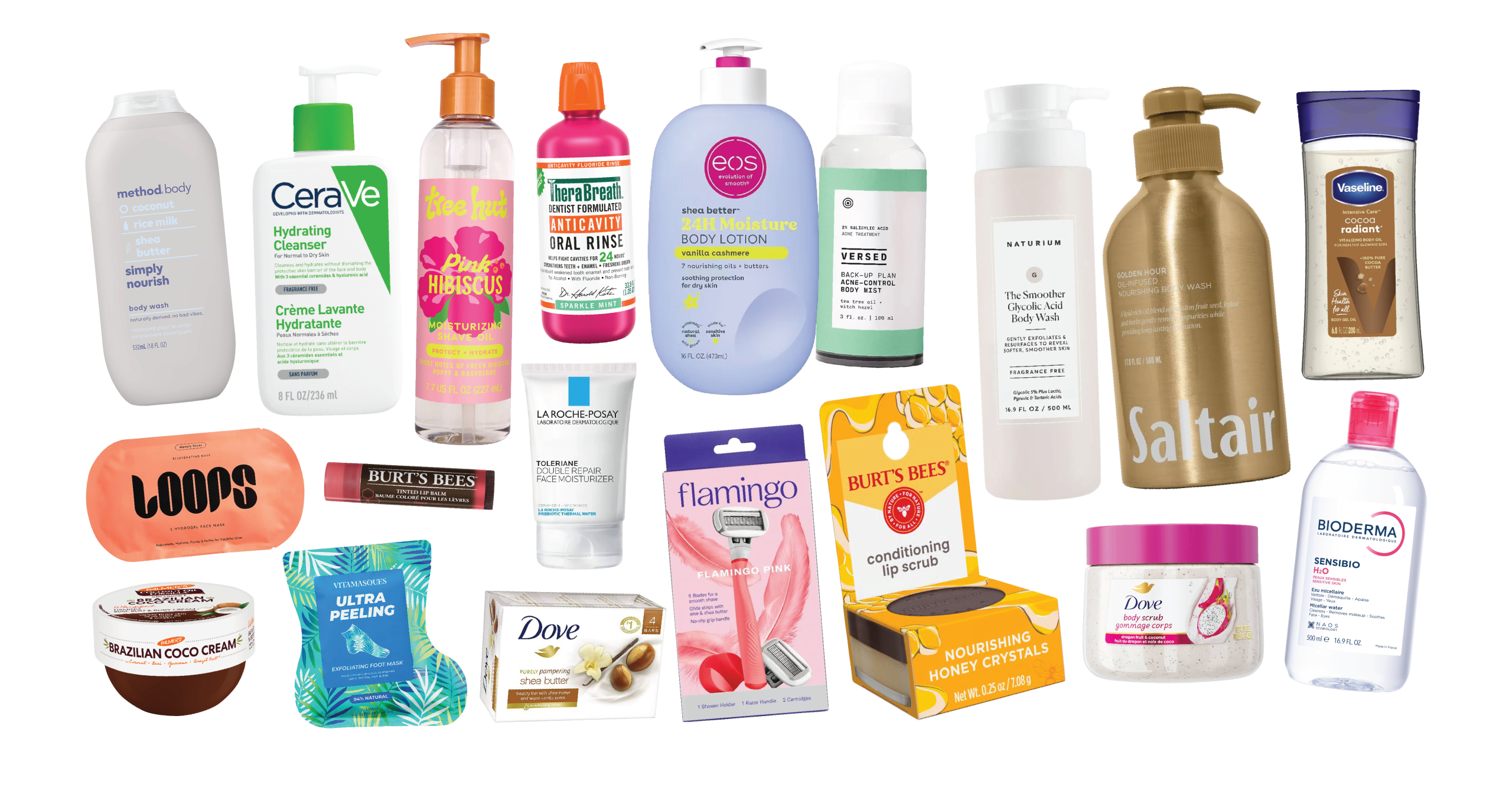
At other times, she may adopt a “Skincare Scientist” mindset—focused on outcome optimization. She becomes ingredient-literate, routine-focused, and more skeptical of brand messaging. Her purchases lean toward brands like La Roche-Posay, CeraVe, Bioderma, and eos—products with clear functional benefits and clinical backing that leave them feeling fresh and clean.
The Dupe Queen
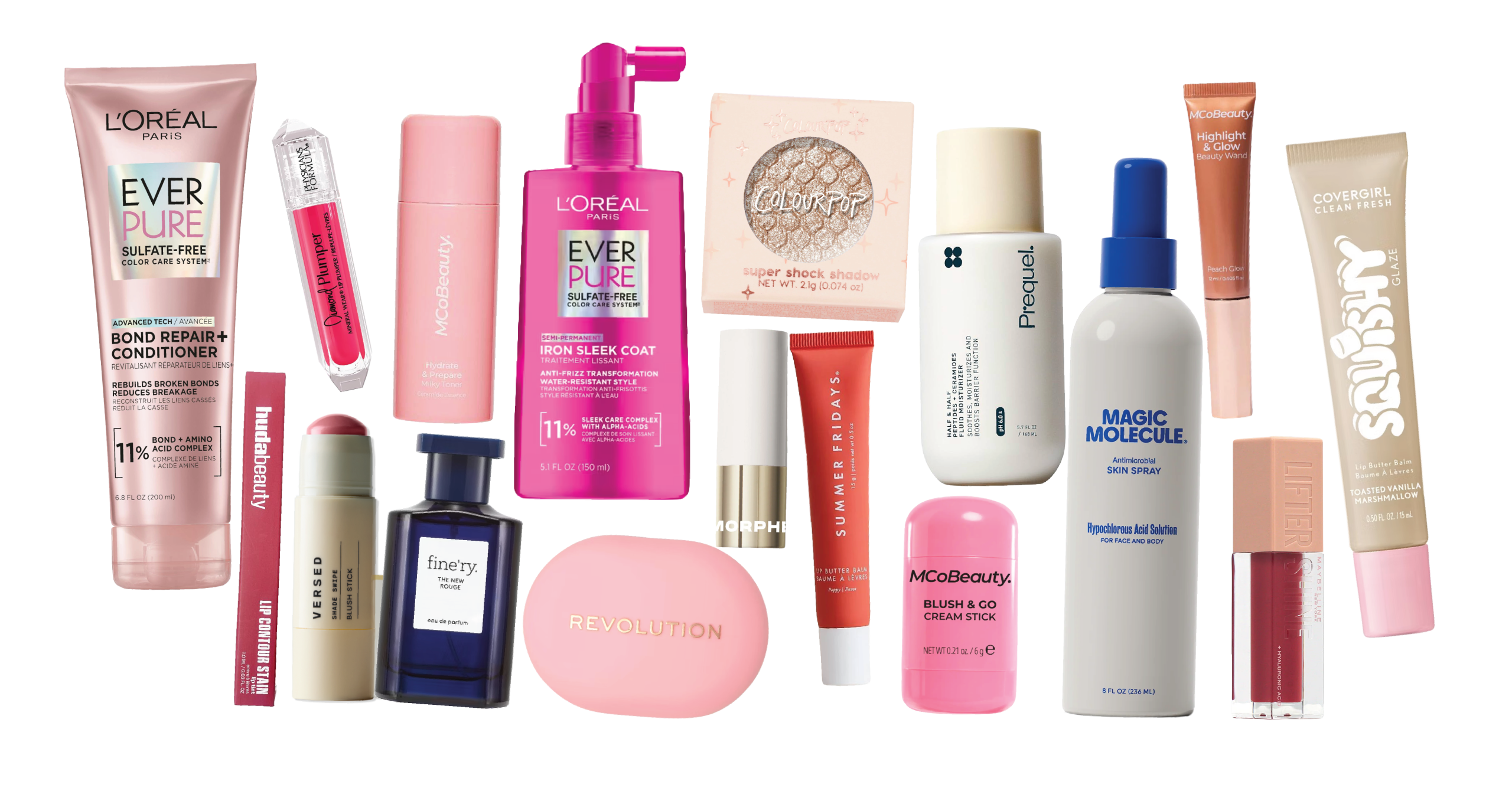
And in moments of financial trade-off, she may operate as the “Dupe Queen”—prioritizing efficiency without sacrificing identity. She actively compares products, seeking alternatives that deliver similar results at a lower cost. Her cart might include MCoBeauty Blush or Versed Blush instead of Rhode, Magic Molecule instead of Tower 28 SOS Facial Spray, Lifter Gloss instead of Fenty Fussy Gloss or general economic choices that have the same level of efficacy in place of prestige brands. Value, for her, is defined by equivalence, not hierarchy.
Brands Are Still Operating in Silos
These archetypes are not mutually exclusive. A single consumer may shift between them depending on context, need, or constraint. This fluidity challenges traditional segmentation models and suggests that brands must account for multiple behavioral logics within the same individual.
As a result, competition extends beyond category boundaries. Brands are now competing with any solution that addresses the same moment of need—whether that moment is driven by insecurity, aspiration, fatigue, or recovery- instead of just those next to it at the shelf. With more and more discovery happening outside of the aisle, especially for Gen-Z, I’m not going to Target with the intent to peruse the skincare aisle, I’m going in pursuit of feeling like the version of myself that I want to see this week.
Despite these shifts, many brands continue to operate within outdated frameworks. They prioritize consistency over adaptability, define narrow target audiences, and remain confined to category-specific thinking. In doing so, they overlook the complexity of how consumers actually navigate their choices.
From Categories to Context
Stop Defining Your Product. Start Defining the Role You Play
ABOUT LPK
LPK is a modern brand consultancy working across food, beverage, beauty, and wellness. We apply strategic foresight to decode evolving consumer behavior—helping brands move beyond static positioning and design for how people actually make decisions in real time.