

You see it, I see it, we all see it: this is the time of year where consumers either redouble their commitment to their new year’s resolutions or give themselves an A for effort and return to their prior year habits. But, if we zoom out, something larger is happening in consumer commitment to health and wellness.


For much of the last decade, health and wellness culture has been defined by intensity. Protein maxxing. Gains maxxing. Highly structured routines built around tracking, optimization, and performance. Wellness became something to pursue aggressively, often through rigid standards and measurable outputs tied to the quantified self.

That mindset is beginning to loosen, making room for a more approachable model of engagement.

Despite seasonal sensationalism, the long arc of health and wellness behaviors are toward sustained behaviors that fit into everyday life. Routine and habit-based programs like Noom and BetterMe have been indicating this for years, and behavioral science backs them up. People remain motivated to feel better and take care of themselves, but they are doing so through smaller, more flexible choices. Function still matters, yet it is increasingly paired with enjoyment, emotional reassurance, and ease. Progress feels attainable rather than aspirational.

This dynamic is influencing how consumers engage with wellness and reshaping expectations for how better-for-you brands show up, innovate, and communicate.

From Optimization to Everyday Participation

Microdosing health is not the absence of performance; it is a different expression of it. Rather than all-or-nothing standards, consumers are gravitating toward choices that allow for balance, realism, and repeatability.
Culturally, this shows up in ideas like vegan plus bacon, a tongue-in-cheek acknowledgment that perfection is neither realistic nor required. Health is no longer about rigid adherence to rules. It is about engagement that feels sustainable and forgiving.
Products that support this mindset tend to blend function with familiarity. Gummies replace pills. Snacks carry benefits once reserved for supplements. Food and beverage play a more active role in how people manage energy, balance, and wellbeing throughout the day. These choices reduce friction and make wellness easier to integrate, which in turn broadens up-take.
For brands, this signals a move away from signaling extremity and toward signaling everyday relevance—products that feel more like pantry staples than tools for elite optimization.
Similar Baskets, Different Motivations
One of the most important aspects emerging from this shift is that purchasing behavior alone no longer tells the full story.
Two consumers may buy the same products, such as collagen, creatine, or colostrum, yet arrive there with very different identities and expectations. One may see themselves as a boundary-pushing health enthusiast. Another may approach preventative health more moderately, prioritizing flexibility and small wins.
At shelf, those differences are invisible. In the brand experience, this consumer context becomes critical.
Consider SuperMush Daily Passion and Cymbiotika Longevity Mushroom: both sit within the functional mushroom space, yet SuperMush leans into mood and pleasure, while Cymbiotika emphasizes longevity and performance—revealing how similar products can speak to very different consumer mindsets and motivations.
Tone of voice, level of credentialing, and how scientific or emotional a message feels all influence whether a brand resonates or feels out of place. Understanding these nuances requires more than demographic segmentation. It demands close proximity to the consumer and a willingness to engage with the subcultures and niches shaping how personal wellbeing is defined today.
This is where brand strategy becomes foundational rather than decorative, helping brands clarify the role they play in everyday life and make more intentional choices across branding, innovation, and design.
Why This Moment Is Different
Wellness has always cycled between extremes. Periods of strict standards are often followed by moments that prioritize ease and accessibility. That pattern is not new.
What has changed is the environment surrounding it.
In many parts of the market, health-forward and better-for-you options have become more accessible. Private-label supplements continue to drive category growth, making adoption more attainable for some consumers. At the same time, advances in the medical and health space, including FDA-approved pill forms of GLP-1s, are reshaping how people think about prevention and long-term maintenance.
This combination raises the stakes. Brands are no longer operating in a slow-moving category. They are navigating scaled innovation, ongoing disruption, and heightened consumer awareness at the same time.
In this context, familiar tactics fall short. Surface-level changes in messaging or claims may attract attention, but they rarely build lasting trust.
When Incremental Innovation Loses Its Impact
Incremental innovation still plays a role, particularly when speed to market matters. Line extensions, benefit stacking, and formulation tweaks can help brands stay relevant in crowded categories.
The challenge arises when those moves are disconnected from a broader brand story.
Consumers are increasingly attentive to ingredient integrity and source credibility. Adding functional benefits to highly processed products does not always align with how people define wellness today. Questions around where protein comes from, how fiber is sourced, and whether ingredients feel recognizable carry more weight than ever.
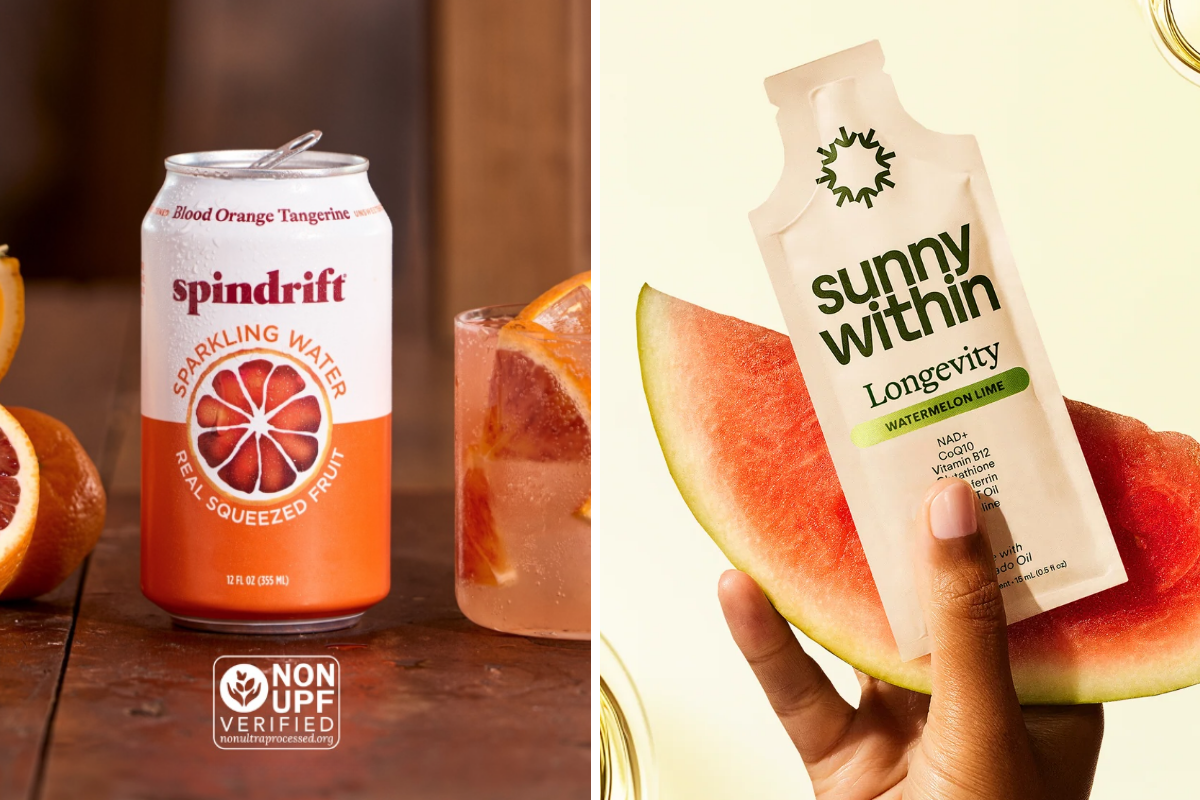
Spindrift reflects this shift; as the only sparkling water made with real squeezed fruit and recently verified under the Non-Ultraprocessed Food (Non-UPF) Standard, the brand has turned ingredient transparency into a clear competitive advantage.
At the same time, benefit language is evolving. Technical claims are giving way to outcomes that reflect how people want to feel, such as steadier energy, balance, or support across mind and body.
NAD+ offers a clear example: once associated with IV drips and biohacking clinics, brands like Sunny Within are bringing it into portable gel squeeze formats, reframing a longevity-focused ingredient as an accessible, everyday ritual rather than an elite intervention.
Products that align physical benefits with emotional reassurance tend to feel more relevant and believable.
More effective innovation connects formulation decisions to a cohesive brand point of view, rather than treating product development as a series of isolated launches. Without that alignment, innovation risks feeling transactional rather than supportive.
Packaging as a Strategic Signal
As wellness expands into everyday routines, packaging has taken on a more strategic role.
Claims focused on what products exclude are becoming less persuasive. Consumers are paying closer attention to what is included, how clearly it is communicated, and whether it feels trustworthy. Simplicity and clarity increasingly convey confidence.
Effective packaging design prioritizes information rather than overwhelming the shopper. It helps consumers quickly understand where a product fits into their life and why it belongs there. Credibility comes from coherence between product, message, and design, not from the volume of claims on pack.
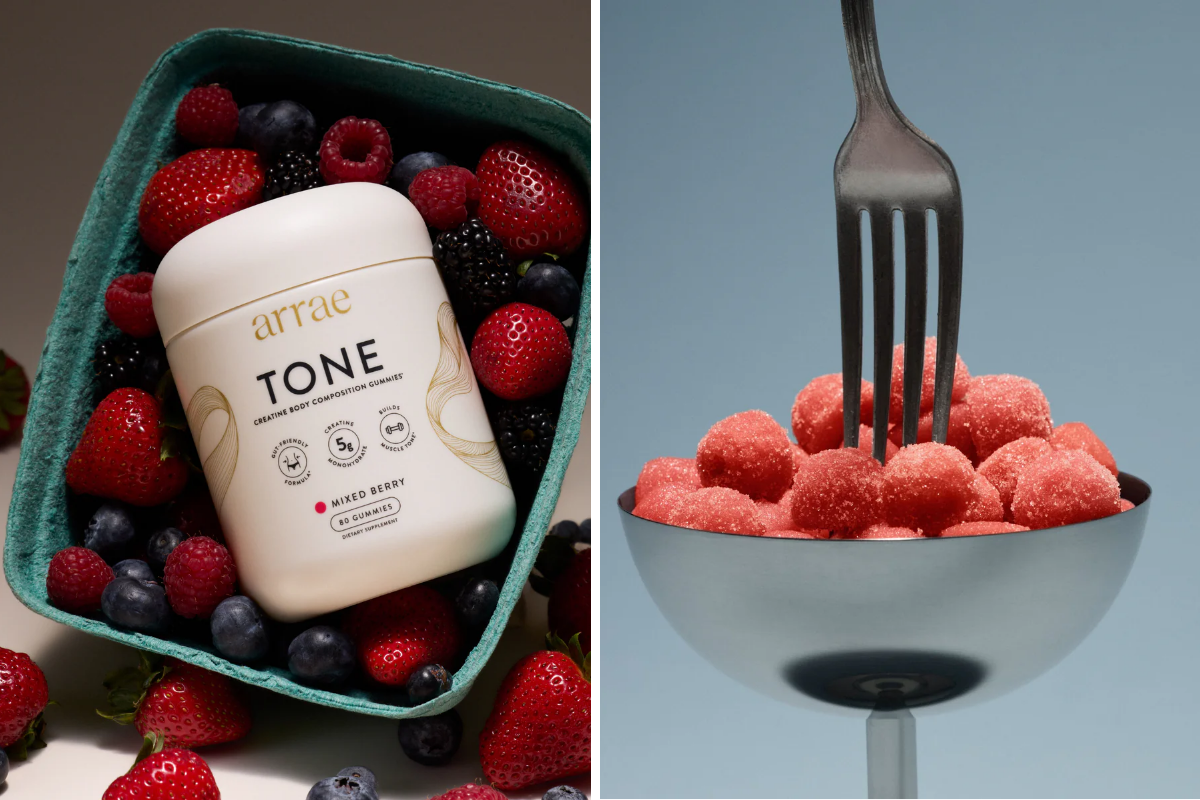
Arrae’s Tone gummies illustrate this balance; their streamlined packaging and focused, benefit-led messaging communicate emotional and functional intent without defaulting to overtly clinical cues.
In this environment, design decisions—from structure to hierarchy to visual restraint—communicate just as much as words do.
Why Consumers Are Leaning In Now
The broader cultural context helps explain why these shifts are gaining traction.
Many consumers continue to allow room for small indulgences, yet they are increasingly skeptical of traditional authorities and more likely to rely on their own research, peer communities, and lived experience when making health decisions. Trust has become more selective. Purchases that support personal wellbeing feel like a way to regain control and invest in oneself.


“We’re seeing consumers become far more intentional about where they’re willing to spend. Even in a constrained environment, they’re choosing premium or better-for-you options when those products clearly meet a need and feel worth it.”Carina Sandoval, Brand Strategy Director
External signals reinforce this behavior. Recent McKinsey research shows that disruptor brands are driving disproportionate growth in CPG, supported by consumers who are increasingly willing to spend more on products that feel purposeful, relevant, and clearly aligned with their needs. Rather than trading down, many consumers are choosing flexible, better-for-you options that allow them to balance health goals with enjoyment and ease.
This reflects a growing comfort with progress over perfection. Consumers are redefining what it means to “do wellness well,” favoring approaches that feel livable and supportive rather than rigid or prescriptive. As a result, everyday food and beverage choices are taking on a more functional role, helping people manage energy, balance, and wellbeing in ways that integrate seamlessly into daily life.
LPK’s Desires Index reflects similar patterns. The growth of the SnackRX space points to increased interest in therapeutically-minded, everyday consumption, where food and beverage support wellness outcomes without demanding extreme behavior change.
Key Takeaways for Brand Leaders
  • Wellness integration is widening, requiring a shift from performance-led messaging to everyday relevance
  • Similar purchasing behaviors can mask very different consumer identities and motivations
  • Incremental innovation is most effective when it ladders up to a clear, credible lifestyle story
  • Ingredient integrity and benefit relevance now matter as much as speed to market
  • Packaging clarity is becoming a primary driver of trust in wellness-adjacent categories
What Brands Should Do Now
As participation in wellness broadens, brands face a more nuanced challenge. Relevance increasingly depends on how well a brand understands the role it plays in daily life, not just the benefits it delivers.
That begins with deeper consumer insight. Brands need to move beyond surface behaviors and understand how different consumers define progress, balance, and success. When motivations diverge, one-size-fits-all messaging quickly loses impact.
From there, decisions around innovation, branding, and product development need to be more intentional. Strong brands reinforce a cohesive point of view about health and wellbeing, aligning formulation, benefits, brand expression, and values rather than treating each launch as a standalone opportunity.
Finally, brands must use design as a strategic tool. Packaging design should help consumers navigate choice with confidence, signaling clarity and purpose instead of complexity. When insight, brand strategy, innovation, and design work together, brands earn trust without needing to overexplain.
The brands best positioned for what comes next will not be those chasing every signal in the category. They will be the ones that translate understanding into clarity, and clarity into products and experiences that feel genuinely supportive of consumers’ wellness progress.
The images included in this article are used under the fair use doctrine for commentary, criticism, and educational purposes only. All rights to these images remain with their respective copyright holders.

ABOUT LPK

LPK is a modern brand consultancy that applies emerging trends, insightful strategy, and beautiful creativity to harness change, partnering with CPG food, beverage, and supplement brands to shape brand strategy, branding, and packaging design that drives meaningful growth.